Serving the Birmingham Area:


How to Detect Hidden Water Leaks Before Major Damage
Never pay a dispatch fee. Diagnostics are always free.


Locally owned and operated for 15+ years. Count on us when you need help most.

How to Detect Hidden Water Leaks Before Major Damage

What You Will Learn:
Hidden leaks cause more damage than most homeowners realize. Pipes run through ceilings, walls, and even under concrete slabs. When one small crack forms, water slowly spreads through wood framing, insulation, and drywall. You usually don’t see the problem until the damage gets expensive.
The numbers show how common this issue is. The U.S. Environmental Protection Agency (EPA) reports that household leaks waste nearly 1 trillion gallons of water every year in the United States. A single small leak can waste 10,000 gallons annually.
Water damage also ranks among the most frequent home insurance claims. The Insurance Information Institute reports that water damage accounts for almost 30 percent of homeowner claims.
Early detection saves you money and protects your home structure. Many homeowners call experienced plumbers in Alabama to inspect plumbing systems before hidden leaks turn into major repairs. DrainGo of Alabama has helped homeowners across Birmingham and Huntsville for over 20 years by finding leaks early and fixing them the right way.
Common Causes of Hidden Water Leaks in Residential Plumbing
Hidden leaks rarely appear out of nowhere. Most of the time they develop from slow wear, pressure problems, or aging plumbing materials.
Aging or Corroded Pipes
Many older homes still contain galvanized steel or aging copper pipes. Over time minerals in the water react with the metal. This reaction slowly eats away at the pipe walls.
Common signs of pipe corrosion include:
- Rust-colored water
- Metallic taste in drinking water
- Small pinhole leaks
Older pipes often need replacement once corrosion begins to spread.
High Water Pressure
Strong water pressure feels nice in the shower, but excessive pressure can quietly damage your plumbing system.
Safe household pressure usually falls between 40 and 60 PSI. Pressure above 80 PSI stresses pipes, joints, and valves. Over time tiny cracks form and leaks begin.
Poor Installation or Faulty Repairs
Bad plumbing work often creates future leaks. Loose fittings or incorrect pipe materials may not fail right away. The problem shows up months or years later.
A licensed plumber Alabama homeowners trust will install pipes according to plumbing codes and manufacturer guidelines.
Foundation Movement
Homes shift slightly over time. Soil expands when it rains and contracts during dry periods. That movement bends pipes running under the house.
When pipes crack under a slab foundation, the result is a slab leak. These leaks stay hidden until the damage becomes noticeable.
Worn Appliances and Water Hoses
Appliances also create hidden leak risks. Rubber hoses and seals eventually wear out.
Watch these closely:
- Washing machine hoses
- Dishwasher connections
- Water heater fittings
Replacing appliance hoses every 3 to 5 years reduces leak risk significantly.
Early Warning Signs of Hidden Water Leaks
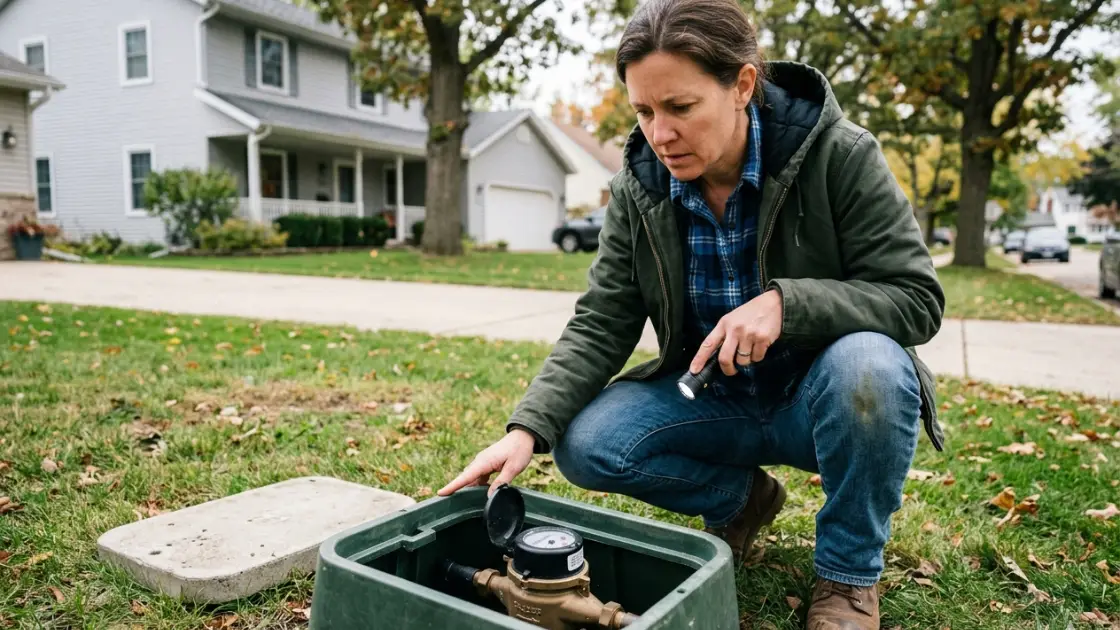
Leaks may stay hidden, but your home usually gives you clues.
Unexpected Increase in Water Bills
A sudden jump in your water bill is often the first sign something is wrong. If your water habits remain the same but costs rise, water may be escaping somewhere.
Check your water bills for unusual patterns. Even a slow leak can add hundreds of dollars per year.
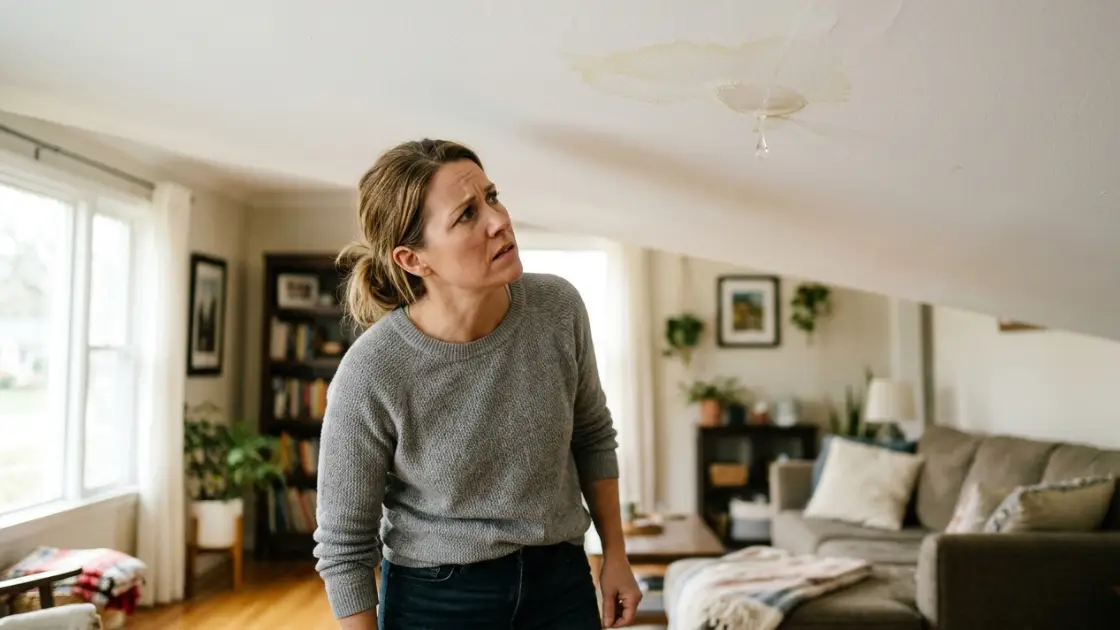
Damp or Discolored Walls and Ceilings
Water trapped inside walls often leaves visible signs.
Look for:
- Yellow or brown stains
- Bubbling paint
- Warped flooring
- Soft drywall
These usually mean moisture has been present for a while.
Musty Odors and Mold Growth
A strong musty smell often signals hidden moisture. Mold begins growing quickly when water sits inside walls. Mold can start developing within 24 to 48 hours after water exposure.
In addition, mold can cause allergy symptoms and breathing problems, especially for children and older adults.
Running Water Sounds
Sometimes you can actually hear a leak.
Listen for:
- Dripping behind walls
- Hissing pipes
- Running water when everything is off
Those sounds often point to a cracked pipe or faulty valve.
Reduced Water Pressure
Leaks divert water before it reaches your faucets. If pressure drops suddenly across multiple fixtures, a hidden leak could be responsible.
Simple DIY Methods to Check for Hidden Leaks
You can perform several quick checks before calling a plumber. These methods help confirm whether a leak exists.
Water Meter Test
Your water meter provides one of the easiest leak checks.
Steps:
- Turn off all faucets and appliances.
- Locate your water meter.
- Record the reading.
- Wait one hour without using water.
- Check the meter again.
If the number changes, water is moving somewhere in the system.
Toilet Dye Test
Toilets are one of the biggest hidden leak sources.
Follow these steps:
- Add food coloring to the toilet tank.
- Wait about 10 minutes.
- Check the bowl.
If color appears in the bowl without flushing, the flapper valve is leaking.
Inspect Appliances and Water Lines
Take a quick look behind major appliances. Check for dampness or corrosion around hoses.
Inspect:
- Washing machine hoses
- Refrigerator water lines
- Dishwasher connections
Smart Leak Monitoring Devices
Smart sensors track water flow through your plumbing system. When unusual activity occurs, the device sends alerts to your phone.
Professional Leak Detection Methods Plumbers Use
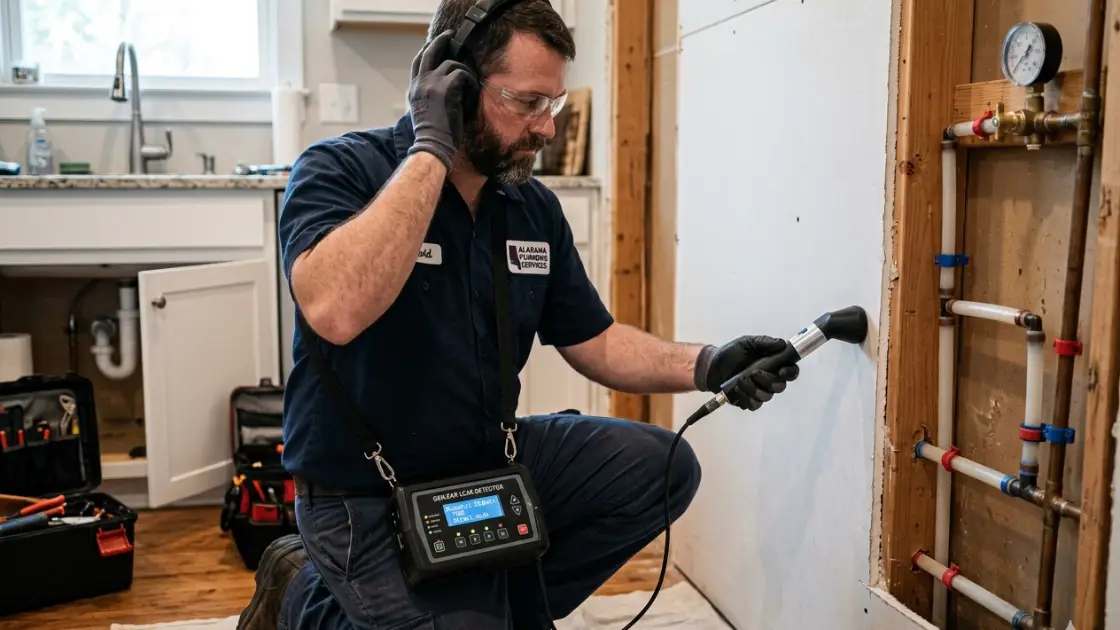
Some leaks hide too deep inside walls or underground. In those cases, plumbers rely on specialized leak detection equipment to locate the exact source of the leak.
Acoustic Leak Detection
Acoustic sensors listen for the sound of water escaping from pipes. These tools amplify tiny noises inside walls or under floors.
Thermal Imaging Cameras
Thermal cameras reveal temperature differences caused by moisture. Wet materials hold heat differently than dry surfaces.
Moisture Meters
Moisture meters measure humidity inside walls, flooring, and ceilings. High readings usually indicate hidden water damage.
Video Pipe Inspection
Plumbers insert a small waterproof camera into pipes to inspect the interior. This method helps identify cracks, corrosion, and blockages.
Pressure and Gas Testing
Advanced tests may involve pressurizing pipes or introducing harmless tracer gas to locate leaks.
These practices follow plumbing standards from the International Association of Plumbing and Mechanical Officials (IAPMO).
Energy Differences Between Tank and Tankless Systems
Traditional tank heaters constantly maintain water temperature. Even when nobody uses hot water, the heater reheats water to keep it warm.
This process wastes energy through what experts call standby heat loss.
Tankless heaters avoid that problem because they heat water only when you turn on a faucet.
The U.S. Department of Energy reports that tankless systems can reduce energy use by 8 to 34 percent depending on household usage.
Energy Ratings Explained
Manufacturers use a few ratings to measure performance.
Two common measurements include:
- Energy Factor (EF)
- Uniform Energy Factor (UEF)
Higher ratings generally indicate better performance and lower energy waste.
Areas in the Home Where Hidden Leaks Commonly Occur
Certain parts of your home carry higher leak risks. These areas deserve closer attention.
Common Leak Locations
| Area of the Home | Why Leaks Happen |
|---|---|
| Bathroom walls | Frequent water use and pipe connections |
| Kitchen cabinets | Drain pipes and supply hoses loosen over time |
| Under slab foundations | Pipe corrosion or soil movement |
| Crawl spaces | Humidity and exposed plumbing |
| Outdoor irrigation lines | Soil shifts and weather exposure |
The American Water Works Association notes that irrigation systems frequently develop underground leaks if not inspected regularly.
Risks of Ignoring Hidden Water Leaks
Ignoring a small leak almost always leads to bigger problems.
- Structural Damage – Water weakens wood framing, drywall, and flooring. Over time the structure may warp or crack.
- Mold and Mildew – Persistent moisture encourages mold growth inside walls and ventilation systems.
- Higher Utility Bills – Even a slow drip can waste thousands of gallons per year.
- Pest Problems – Moist environments attract termites, cockroaches, and rodents looking for water.
- Expensive Repairs – Water damage repairs often cost thousands of dollars. In many cases the damage far exceeds the typical plumbing services cost for fixing a small leak early.
Preventive Maintenance to Avoid Hidden Leaks
Regular maintenance prevents many plumbing problems before they start.
Routine Plumbing Inspections
A yearly inspection helps catch corrosion, loose fittings, or pressure issues early.
Replace Aging Pipes and Hoses
Old plumbing eventually fails. Replacing worn parts protects the system.
Maintain Proper Water Pressure
Install a pressure regulator if your water pressure exceeds safe limits.
Install Leak Detection Devices
Leak sensors automatically alert homeowners when unusual water activity appears.
Schedule Professional Plumbing Checkups
Experienced plumbers can inspect pipes, fixtures, and water pressure throughout your home. Preventive inspections often cost far less than emergency repairs and unpredictable plumbing prices.
When to Call a Professional Plumber
Some leaks require professional equipment and expertise.
Signs the Leak Is Hard to Locate
Call a plumber if you notice:
- Persistent damp areas with no visible source
- Sudden drop in water pressure
- Warm spots on floors
- Suspected slab leaks
Benefits of Professional Leak Detection
Professional plumbers can:
- Identify the exact leak location
- Prevent unnecessary wall damage
- Recommend long-term solutions
They also explain repair options and expected cost for plumbing, helping you plan repairs without surprises.
Trusted Local Plumbing Support
DrainGo of Alabama has served Birmingham and Huntsville homeowners for more than 20 years.
Services include:
- 24 hour emergency plumbing response
- Advanced leak detection tools
- Honest explanations of the problem and solution
Conclusion
Hidden water leaks rarely stay small. They spread slowly through walls, floors, and foundations while raising your water bills and damaging your home structure.
Pay attention to warning signs like higher water bills, damp spots, musty odors, or unusual plumbing sounds. Simple checks such as the water meter test can confirm if a leak exists.
Professional inspections provide peace of mind. Skilled plumbers can locate hidden leaks and repair them before the damage spreads. DrainGo of Alabama continues helping homeowners protect their homes through accurate leak detection and reliable plumbing repairs. Call DrainGo of Alabama at (205) 250-9939 if you suspect a hidden water leak.
Frequently Asked Questions
1. What is the most common sign of a hidden water leak?
A sudden increase in your water bill combined with damp spots on walls or ceilings often signals a hidden leak.
2. Can hidden leaks cause mold growth?
Yes. Mold can start growing within 24 to 48 hours when moisture remains trapped inside building materials.
3. How can I check for a leak if I cannot see water?
Turn off all faucets and check your water meter. If the reading changes after an hour, a leak likely exists somewhere in the system.
4. Are slab leaks dangerous?
Yes. Slab leaks can weaken the home’s foundation and cause serious structural problems if not repaired quickly.
5. Can smart leak detectors prevent major damage?
Yes. These devices monitor water flow and send alerts when unusual usage appears, allowing homeowners to respond quickly.
Additional Resources
Other Services
Frequently Asked Questions
How often should I get my plumbing inspected?
Once a year is ideal. It helps catch small problems before they become expensive repairs.
Can a small leak really affect my bill that much?
Yes. Even a slow drip can waste gallons every day, adding up fast on your water bill.
Are professional plumbers worth it for small jobs?
Definitely. Minor leaks often point to bigger problems that only a trained eye can find.
What should I do during a plumbing emergency?
Shut off your main water valve, then call a licensed plumber. DrainGo offers 24/7 emergency services across Birmingham.