Serving the Birmingham Area:


Hot Water Slab Leaks: Why Your Water Heater Might Be Running Non-Stop
Never pay a dispatch fee. Diagnostics are always free.


Locally owned and operated for 15+ years. Count on us when you need help most.

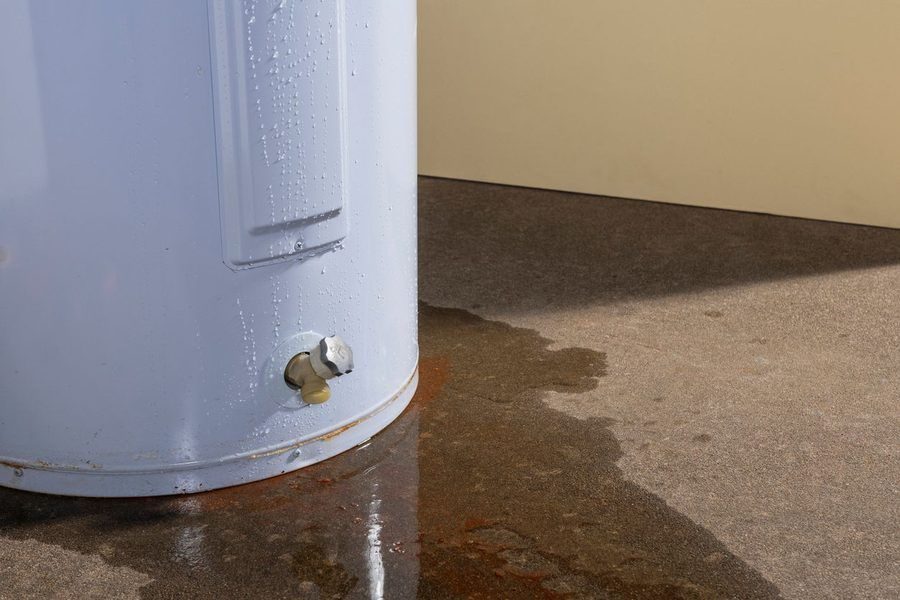
If your water heater seems to run constantly even when no one is using hot water, your first thought may be that something is wrong with the water heater itself. While a malfunctioning unit is one possibility, the real problem could be hidden beneath your home. A leak in a hot water line under a concrete slab can cause heated water to escape continuously, forcing the water heater to keep replacing and reheating the lost water.
Hot water slab leaks can be difficult to recognize because the leaking pipe is concealed. Instead of seeing an obvious puddle, you may notice warm spots on the floor, unexplained water usage, higher utility bills, or a water heater that operates much more frequently than usual. Recognizing these warning signs can help Alabama homeowners address a hidden plumbing leak before additional water is wasted or damage develops.
What Is a Hot Water Slab Leak?
A slab leak occurs when a water supply pipe located beneath or within a home’s concrete slab foundation develops a leak. A hot water slab leak specifically affects a pipe carrying heated water from the water heater to fixtures throughout the home.
Because the damaged pipe is hidden beneath concrete and flooring, water may escape for some time without creating an obvious visible leak.
Not every slab leak produces standing water. Moisture can remain beneath the slab or move through surrounding materials, which is why indirect symptoms are often important when diagnosing the problem.
Why Can a Slab Leak Make Your Water Heater Run Constantly?
When you turn on a hot water fixture, heated water leaves the water heater and is replaced by cold water. The water heater then heats that incoming water to maintain the desired supply.
A leaking hot water pipe can create a similar cycle without anyone opening a faucet.
Hot water continuously escaping beneath the slab causes replacement water to enter the system. The water heater must then heat that new water, potentially causing the burner or heating elements to operate more frequently or for longer periods.
This can waste both water and energy. However, frequent water heater operation does not automatically mean you have a slab leak. Household demand, equipment problems, and other plumbing leaks can produce similar symptoms.
What Are the Signs of a Hot Water Slab Leak?
An unexplained warm area of flooring is one of the more recognizable signs associated with a hot water slab leak.
Heat from escaping water can transfer through the concrete and eventually reach the floor surface. You may notice that one section feels consistently warmer than surrounding areas, especially on tile, concrete, or other hard flooring.
A hot water slab leak can produce several clues throughout the home. One symptom alone may have another explanation, but multiple unexplained signs appearing together can make professional leak detection worthwhile.
1. Warm or Hot Spots on the Floor
A warm floor does not automatically confirm a slab leak. Nearby hot water pipes, radiant heating, sunlight, and other heat sources can create similar temperature differences. A persistent warm spot combined with other plumbing symptoms deserves closer investigation.
2. Your Water Heater Runs Without Hot Water Use
Pay attention if the water heater appears to activate when nobody has recently showered, washed dishes, done laundry, or used another hot water fixture.
A hot water line leak can create ongoing demand because the system is constantly replacing lost water.
How frequently a healthy water heater operates varies based on the type of equipment, household demand, temperature settings, and other factors. Instead of relying on a specific number of cycles, watch for a noticeable change from its normal operation.
3. Your Water Bill Suddenly Increases
A supply-line leak can waste water continuously, potentially causing household water consumption to rise.
Compare recent bills or water usage with your normal patterns. Keep in mind that irrigation, guests, seasonal changes, and other factors can also increase consumption.
If usage rises significantly without a reasonable explanation, a hidden plumbing leak should be considered.
4. Your Energy Costs Increase
A hot water slab leak can affect more than your water bill. Your water heater may consume additional gas or electricity because it is repeatedly heating replacement water.
Energy bills alone cannot diagnose a slab leak, but an unexplained increase combined with unusual water heater activity or increased water consumption can provide another clue.
5. You Hear Water Running When Everything Is Off
Hissing, rushing, or other water sounds when no fixtures are operating can indicate a hidden plumbing problem.
Before assuming there is a leak, verify that known water users such as toilets, washing machines, dishwashers, faucets, and irrigation systems are not operating.
If you continue hearing unexplained water movement, professional leak detection can help determine where it is coming from.
6. Flooring Shows Signs of Moisture
Depending on the location and severity of a leak, moisture may eventually affect materials above or around the slab.
Possible warning signs include:
-
Damp flooring
-
Discoloration
-
Warped materials
-
Loose flooring
-
Musty odors
-
Unexplained moisture
These symptoms can have several causes, so identifying the moisture source is important before beginning repairs.
7. Your Water Meter Shows Unexpected Usage
A water meter can provide another clue that water is moving through the plumbing when it should not be.
If all known water-consuming fixtures and appliances are off but the meter continues registering usage, there may be a leak somewhere in the plumbing system.
This observation cannot tell you whether the leak is under the slab or elsewhere, but it can help establish that unexplained water consumption is occurring.
What Causes Hot Water Lines Under a Slab to Leak?
There is no single cause behind every slab leak. Plumbing material, installation quality, age, water conditions, and physical stresses can all play a role.
Pipe Deterioration
Some piping materials can corrode or otherwise deteriorate over time. The rate and type of deterioration depend on the pipe material and surrounding conditions.
Movement and Stress
Expansion, contraction, building movement, and settlement can place stress on plumbing lines and connections.
Abrasion
Pipes that repeatedly rub against concrete, gravel, or other surrounding materials can experience wear over time.
Installation or Material Problems
Damaged materials, poor connections, or installation issues can sometimes contribute to leaks that become apparent later.
Determining why a pipe failed can help a plumber decide whether a localized repair or a broader plumbing solution is appropriate.
Could the Water Heater Itself Be the Problem?
Yes. A water heater running frequently does not necessarily indicate a slab leak.
Other possible explanations include:
-
Heavy household hot water demand
-
Water heater sizing
-
Temperature settings
-
Malfunctioning components
-
Sediment-related performance problems
-
A leak at or near the water heater
-
Another hot water plumbing leak
Professional diagnosis can help determine whether the problem originates with the water heater, a concealed pipe, or normal household usage.
How Do Plumbers Find a Slab Leak?
Finding a concealed leak does not necessarily mean immediately opening large sections of flooring.
Professional plumbers may use several diagnostic methods depending on the plumbing system and symptoms.
Acoustic Leak Detection
Specialized equipment can help detect sounds associated with pressurized water escaping from a pipe.
Thermal Imaging
Because hot water can create temperature differences at the floor surface, thermal imaging may help identify unusual heat patterns associated with a possible leak.
Thermal cameras do not see through concrete or automatically pinpoint every leak. They are diagnostic tools that can be combined with other testing methods.
Pressure and Isolation Testing
Testing different portions of the plumbing can help determine whether a leak exists and narrow down which part of the system is affected.
Accurate slab leak detection can reduce unnecessary disruption and help determine the most appropriate repair strategy.
How Are Hot Water Slab Leaks Repaired?
The right slab leak repair depends on the location of the leak, condition of the pipe, plumbing layout, and whether the problem is isolated or recurring.
Direct repair may involve accessing the affected section and repairing or replacing damaged piping.
Rerouting may allow a plumber to install a new water line that bypasses the leaking underground section.
Repiping may be considered when multiple sections of plumbing are deteriorating or repeated leaks indicate a broader problem.
No single method is appropriate for every home. A professional evaluation should determine which approach makes sense for the specific plumbing system.
What Happens If You Ignore a Hot Water Slab Leak?
Even a concealed leak can continue wasting water every hour it remains active. If hot water is escaping, the water heater may also use additional energy trying to keep up with the loss.
Over time, an unresolved leak can contribute to:
-
Higher water consumption
-
Increased water-heating costs
-
Moisture damage
-
Flooring problems
-
Additional plumbing deterioration
-
Unnecessary demand on the water heater
Prompt diagnosis can help limit continued water loss and determine whether repair is necessary.
When Should You Call a Plumber?
Consider scheduling professional leak detection if your water heater suddenly begins operating much more than usual, especially when combined with warm flooring, unexplained water usage, running-water sounds, or signs of moisture.
The key is identifying the cause rather than assuming the water heater needs replacement.
Find Hidden Hot Water Leaks With DrainGo Plumbing and Septic Services of Alabama
A water heater that seems to run non-stop can be an important warning sign, but it does not prove that you have a slab leak. The problem could be the water heater itself, another plumbing leak, or a concealed hot water line beneath the foundation.
DrainGo Plumbing and Septic Services of Alabama can evaluate suspicious plumbing symptoms and help determine the source of unexplained water loss. With professional slab leak detection, water heater service, and plumbing leak repair, the right diagnosis can help prevent unnecessary repairs and continued water waste.
If you have noticed warm floors, rising water bills, unexplained water heater activity, or other signs of a hidden leak, contact DrainGo Plumbing and Septic Services of Alabama to schedule an evaluation.