Serving the Birmingham Area:


One Clogged Drain or a Main Sewer Line Problem? How Birmingham Homeowners Can Tell
Never pay a dispatch fee. Diagnostics are always free.

Locally owned and operated for 15+ years. Count on us when you need help most.

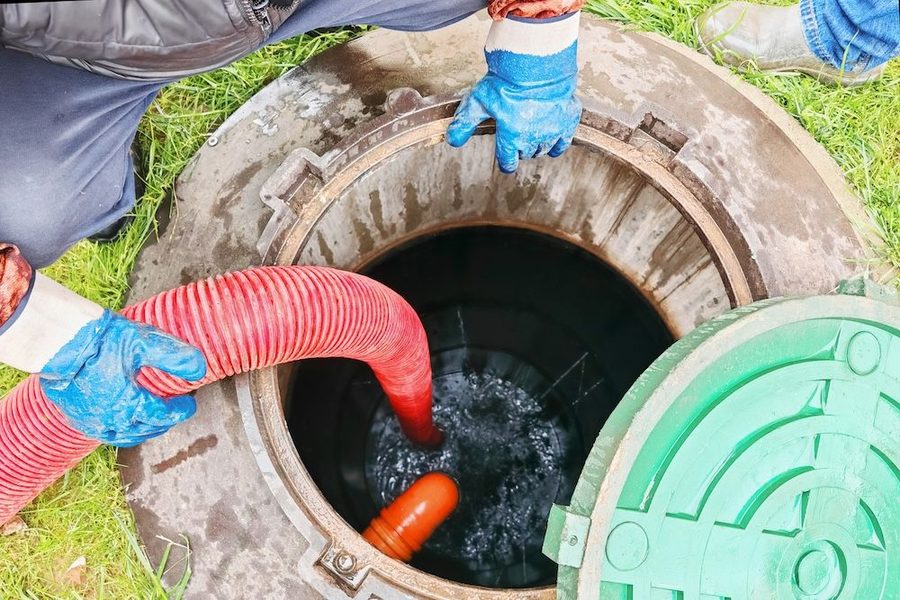
A slow-draining sink may be nothing more than a localized clog. But when the toilet starts gurgling, the shower backs up, and several drains suddenly seem sluggish, you could be dealing with a larger problem somewhere in your home’s drainage system.
Knowing the difference can help Birmingham homeowners decide how quickly to respond and what type of service may be needed. While only a professional inspection can confirm the source, paying attention to which fixtures are affected and how they interact can provide useful clues.
How Can You Tell a Clogged Drain From a Main Sewer Line Problem?
A clog affecting only one sink, shower, tub, or toilet is more likely to be located in that fixture’s individual drain. When multiple fixtures drain slowly, gurgle, or back up at the same time, the blockage may be farther downstream in a shared branch drain or the main sewer line.
Multiple affected fixtures do not automatically mean the main sewer line is clogged. Several fixtures can share the same branch drain, so a blockage there may create similar symptoms.
The location and pattern of the drainage problems matter.
Signs You May Have a Clog in Just One Drain
When only one plumbing fixture is having trouble and everything else works normally, a localized drain clog is more likely.
Common examples include:
-
One bathroom sink draining slowly
-
A shower holding water while other drains work normally
-
One kitchen sink backing up
-
A single clogged toilet
-
Water backing up only in one fixture
Bathroom drains commonly collect hair, soap residue, and other debris. Kitchen drain problems can involve grease, food residue, and other material entering the plumbing.
If the same drain repeatedly clogs after being cleared, however, there may be a deeper issue worth investigating.
Signs the Problem May Be Deeper in Your Drain System
The more fixtures involved, the more likely it becomes that the problem is located in a shared section of plumbing.
Watch for several symptoms occurring together rather than relying on one sign alone.
1. Multiple Drains Are Slow at the Same Time
One slow sink often points toward a localized problem. A sink, shower, tub, and toilet all draining poorly at approximately the same time is more concerning.
When several fixtures are affected, wastewater may be encountering an obstruction after those drain lines connect.
The blockage could be in a shared branch or farther downstream in the main sewer line. A plumber can evaluate the home’s drainage layout and determine where the restriction is likely located.
2. Using One Fixture Causes Another to Back Up
One of the more noticeable signs of a larger drainage problem is activity in one fixture affecting another.
For example, you might notice:
-
A toilet flush causes water to rise in a nearby shower
-
A bathtub or shower gurgles when the toilet flushes
-
Running a washing machine causes water to appear in another drain
-
Water backs up through a lower fixture when another fixture drains
These symptoms can occur when wastewater cannot continue through the drainage system normally and instead moves toward another available opening.
Exactly where the water appears depends on your home’s plumbing layout and the location of the obstruction.
3. Your Toilet Gurgles When Other Fixtures Drain
Repeated gurgling from a toilet can indicate unusual air movement within the drainage system.
A blockage can interfere with the normal movement of water and air through drainpipes. Plumbing vent problems can also contribute to gurgling, so the sound by itself does not prove that your main sewer line is clogged.
However, frequent gurgling combined with slow drains or backups in multiple fixtures deserves professional attention.
4. Lower Drains Start Backing Up
Showers, tubs, and floor drains located lower in the home’s drainage system may show signs of a significant blockage.
If wastewater cannot move through the sewer line, it can potentially back up through lower openings.
This is different from a sink that simply takes a little longer to empty. If sewage or wastewater is actively backing up into your home, stop unnecessary water use and arrange for prompt service.
5. You Notice Persistent Sewer Odors
Sewer odors can indicate a plumbing problem, but they do not automatically mean the main sewer line is clogged.
Possible causes can involve drains, dry traps, plumbing vents, sewer lines, or other components.
If sewer odors appear along with multiple slow drains, gurgling fixtures, or wastewater backups, a more significant drainage problem becomes a greater concern.
Why Do Main Sewer Lines Become Clogged?
A main sewer line can develop problems for several reasons, including:
-
Grease and debris accumulation
-
Items that should not have been flushed
-
Tree root intrusion
-
Damaged or deteriorated pipes
-
Misaligned or separated pipe sections
-
Foreign objects
-
Other structural defects
The correct solution depends on the cause.
For example, clearing accumulated debris is very different from addressing a collapsed or significantly damaged sewer pipe. That is why recurring sewer problems should be diagnosed rather than repeatedly treated as ordinary clogs.
Can Heavy Rain Cause Sewer Problems in Birmingham?
Birmingham can experience periods of heavy rainfall, and wet weather can sometimes coincide with drainage or sewer problems.
However, water appearing around your home after a storm does not automatically mean your private sewer line is clogged. Property drainage, groundwater, stormwater, municipal sewer conditions, and problems with a home’s private sewer piping are separate issues that can sometimes produce similar symptoms.
If plumbing fixtures begin backing up during or after heavy rain, professional evaluation can help determine where the water is coming from and what system is involved.
What Should You Do If You Suspect a Main Sewer Line Clog?
If multiple fixtures are backing up, reduce or stop water use until the problem can be evaluated.
Continuing to flush toilets, run washing machines, take showers, or use other plumbing fixtures can send additional wastewater toward an already restricted drain.
You should also:
-
Avoid repeatedly flushing backed-up toilets
-
Keep children and pets away from sewage
-
Avoid mixing drain-cleaning chemicals
-
Contact a drain and sewer professional
If sewage has entered living areas, proper cleaning and sanitation may also be necessary.
Should You Use a Chemical Drain Cleaner?
Chemical drain cleaners are not a reliable solution for every clog, particularly when the problem is located deep within a sewer line or involves damaged piping.
They also will not repair a collapsed, cracked, or misaligned sewer pipe.
Never mix different drain-cleaning chemicals. If a product has already been used before professional service, let the technician know.
Recurring clogs are another reason to move beyond temporary fixes and determine why the drain keeps becoming blocked.
How Does a Plumber Find a Main Sewer Line Problem?
Diagnosis usually starts by identifying which fixtures are affected and how the symptoms relate to one another.
Depending on the situation, professional service may involve drain or sewer cleaning equipment followed by further inspection.
A sewer camera inspection can sometimes help identify:
-
Root intrusion
-
Pipe damage
-
Significant buildup
-
Separated or misaligned sections
-
Other visible problems inside the line
In some cases, a blockage or standing water must first be cleared sufficiently before a camera can provide a useful view of the pipe.
Drain Cleaning or Sewer Line Repair: Which Do You Need?
Drain or sewer cleaning may be appropriate when an obstruction can be removed and the pipe itself remains functional.
Sewer line repair may be necessary when the underlying problem is structural, such as a collapsed section, significant deterioration, cracking, or separated piping.
Cleaning can restore flow through many blockages, but it cannot permanently correct a physically damaged sewer line.
Get to the Source of Drain Problems With DrainGo Alabama
One clogged fixture often points toward a localized drain problem. When multiple fixtures slow down, gurgle, or back up together, the issue may be located in a shared drain or main sewer line.
Instead of repeatedly treating the symptoms, identifying the source can help determine whether you need drain cleaning, sewer cleaning, or a more extensive repair.
If your Birmingham home’s drains keep slowing or backing up, contact DrainGo Alabama. Our team can evaluate the problem and provide professional drain cleaning, sewer line diagnosis, camera inspections, and sewer repair when needed.