Serving the Birmingham Area:


How to Prevent Pipes from Freezing
Never pay a dispatch fee. Diagnostics are always free.


Locally owned and operated for 15+ years. Count on us when you need help most.

Understanding Floor Drains
With winter right around the corner, it’s essential to protect your plumbing system from freezing temperatures. Frozen pipes can lead to costly repairs, water damage, and inconvenient disruptions to your daily routine. Therefore, it is crucial to take measures to prevent pipes from freezing. In this guide, we’ll cover effective methods for keeping your pipes safe and ensuring a smooth winter season.
Why Do Pipes Freeze?
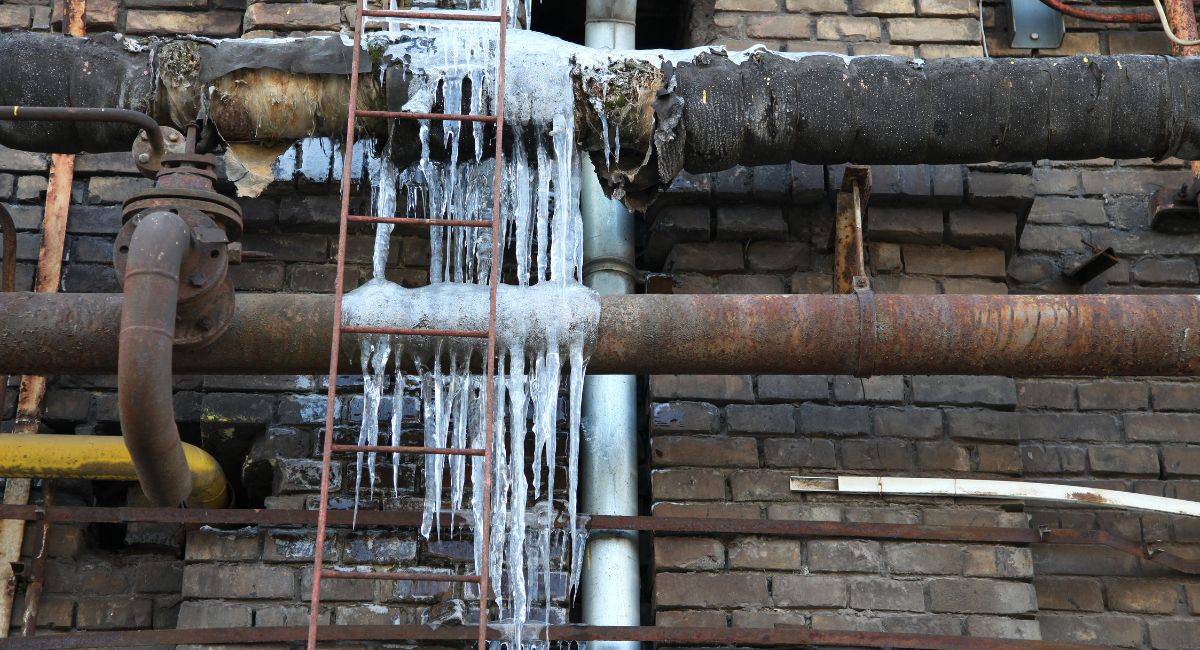
Pipes, especially water supply lines, are vulnerable to freezing when the temperature drops, particularly if they are in unheated areas with little or no insulation. When water supply pipes freeze, the water inside expands, which can cause pipes to burst. Wrapping pipes in insulation can help prevent them from freezing. Preventing this from happening requires taking proactive steps.
Winterize Your Plumbing System to Prevent Pipes from Freezing
One of the best ways to avoid frozen pipes is to winterize your plumbing system to prevent pipes from freezing. Start by draining water from your swimming pool supply lines, water sprinkler lines, and outdoor hose bibs. Ensuring these lines are empty helps prevent ice buildup, which could damage pipes. Additionally, an electric hair dryer can be used to safely thaw frozen pipes.
Insulate Water Pipes
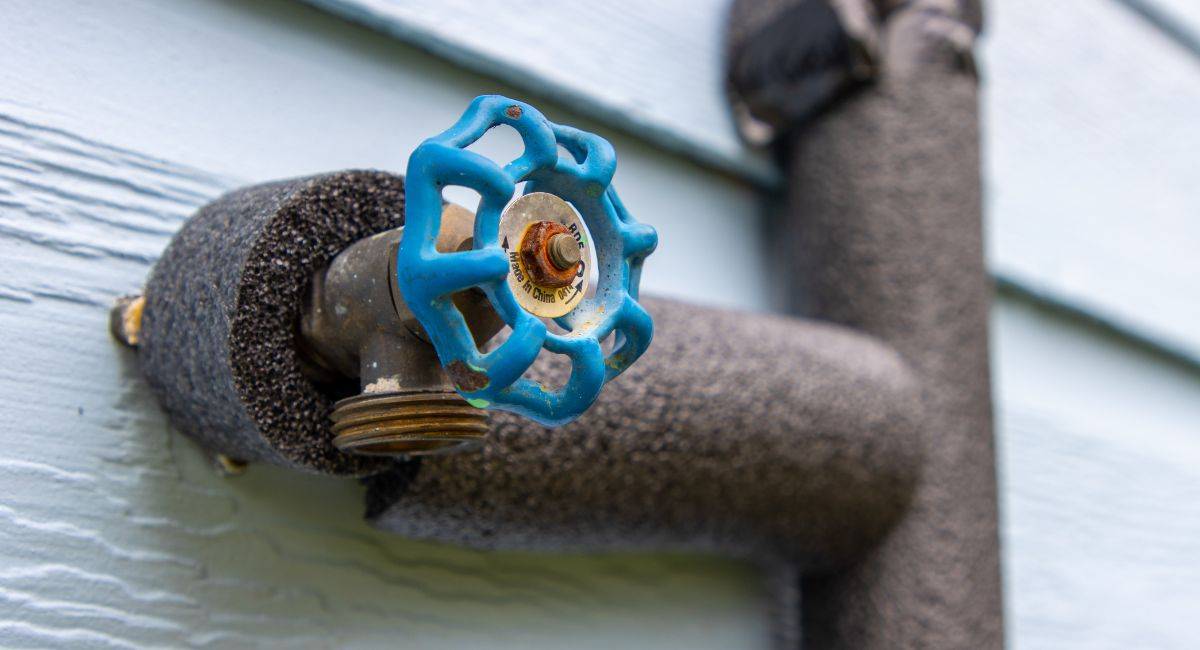
Using materials like pipe sleeves and heat tape, you can effectively insulate exposed pipes in areas prone to cold, such as basements and crawl spaces. Insulating your pipes keeps them warmer during cold spells and prevents pipes from freezing.
Keep Garage Doors Closed
For pipes that run near or through your garage, make sure to keep garage doors closed to keep in warmer air. Cold air seeping in can quickly cause uninsulated pipes to freeze, especially those near exterior walls.
Let Faucets Drip in Cold Weather
Allowing a small cold water drip from faucets helps prevent pipes from freezing by relieving pressure in your pipes, which can prevent freezing and pipe bursts. A small trickle of water can go a long way in maintaining flow during particularly frigid nights.
Open Bathroom Cabinet Doors
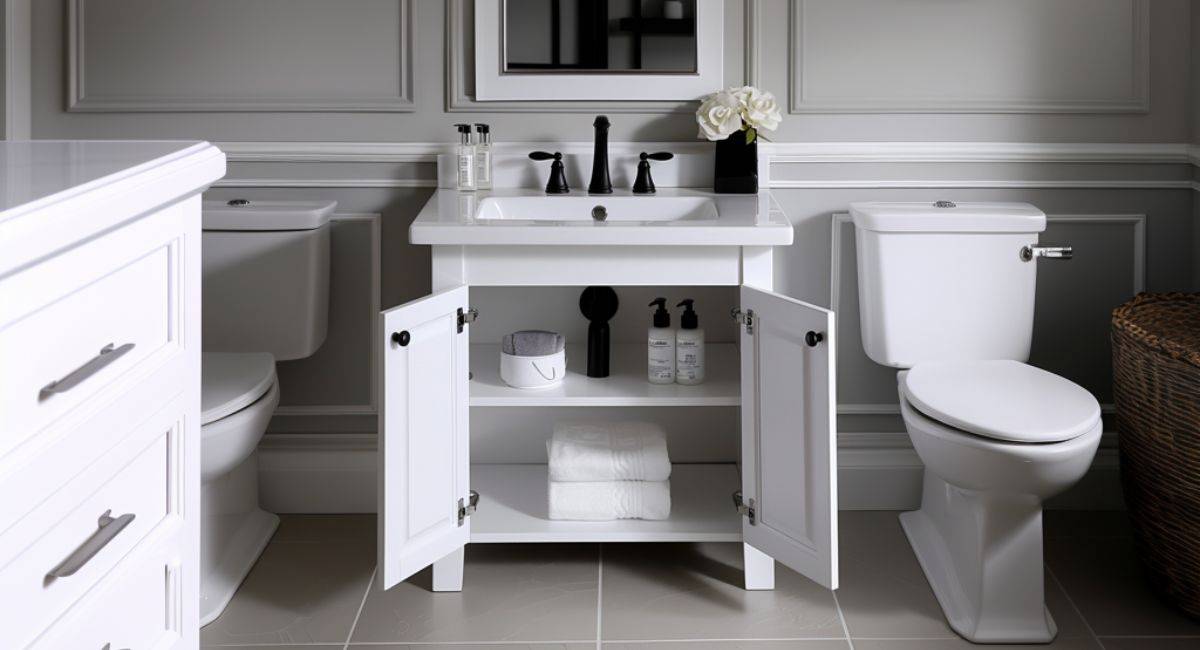
If you have sinks located along exterior walls, opening bathroom cabinet doors allows warmer air to circulate around the pipes, reducing the chance of freezing. This simple step helps expose these vulnerable pipes to a safer temperature.
Use Electric Heating Pads
An electric heating pad wrapped around pipes in at-risk areas can help keep them warm enough to prevent freezing. Avoid using other open flame devices or flammable materials, as they can pose safety risks.
Consider a Portable Space Heater
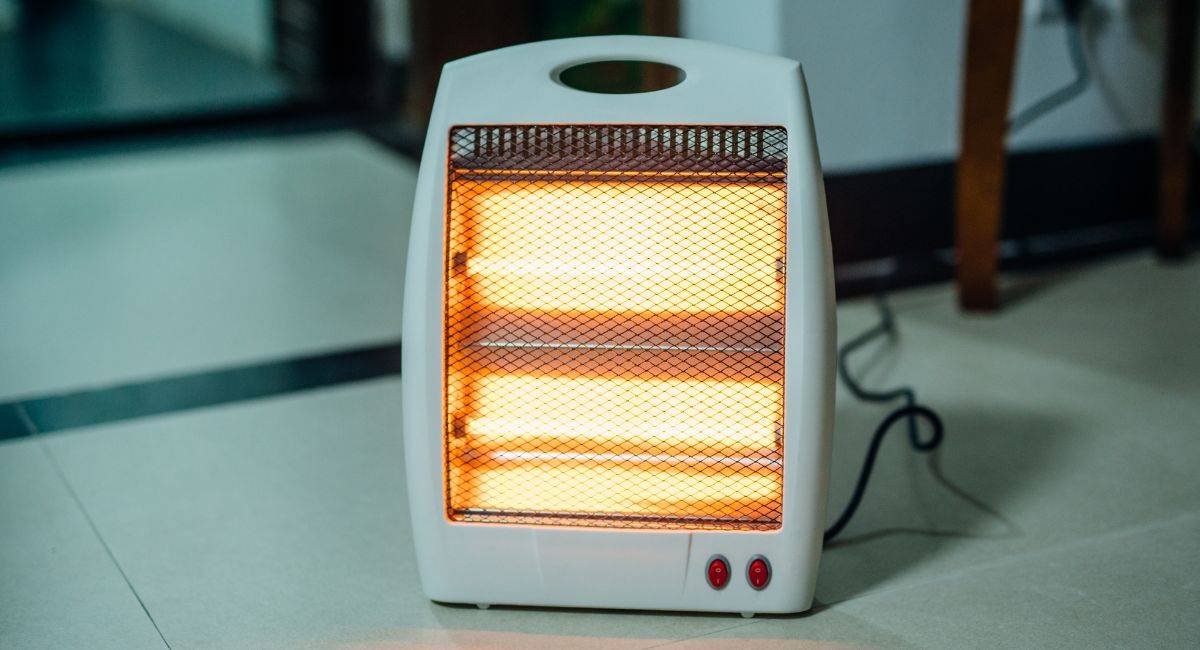
In very cold weather, placing a portable space heater in rooms with exposed pipes, like basements or attics, can help maintain a safe temperature. However, always exercise caution and never leave heaters unattended in confined spaces.
Disconnect Garden Hoses
Disconnect garden hoses before the cold hits. Leaving hoses attached to outdoor faucets can lead to frozen area buildup, increasing the risk of pipe damage. Ensuring outdoor faucets are clear of water is an easy yet important step.
Maintain Higher Temperatures Indoors
When temperatures drop severely, it’s wise to keep your home warmer than usual. Set your thermostat to the same temperature during day and night to prevent drastic temperature shifts that could impact your water pipes.
Call a Licensed Plumber When in Doubt
If you encounter frozen pipes or suspect any plumbing issues due to extreme cold, don’t hesitate to call a licensed plumber at Draingo. We have the tools and expertise needed to handle plumbing concerns safely and efficiently.
With these tips, you can take proactive measures to keep your pipes safe throughout winter. Preventing frozen pipes is always more affordable and convenient than dealing with the consequences of a burst pipe. Remember, preparation is key!
FAQs How To prevent frozen pipes
What is the best way to prevent pipes from freezing?
The best way to prevent pipes from freezing is by winterizing your plumbing before temperatures drop. This includes draining water from swimming pool supply lines, outdoor hoses, and sprinkler systems.
Additionally, insulate exposed pipes in basements, crawl spaces, and other vulnerable areas. During extreme cold, keep faucets dripping slightly to maintain water flow, and consider opening cabinet doors to let warmer air circulate around the pipes.
How can I safely thaw frozen pipes?
To safely thaw frozen pipes, start by applying heat with an electric heating pad or hair dryer. Wrap the heating pad around the frozen section and slowly apply heat to help the ice melt. Never use an open flame device like a propane or charcoal stove, as it can damage pipes or create a fire hazard. If you’re unable to thaw the pipe or suspect a crack, call a licensed plumber for assistance.
Should I leave faucets dripping when it’s cold outside?
Yes, leaving faucets with a cold water drip helps prevent freezing by relieving pressure within the pipes. This small trickle of water reduces the likelihood of ice forming and blocking the flow. Use this method especially for faucets served by pipes near exterior walls or in unheated areas.
Do all types of pipes freeze in cold weather?
Yes, most types of water pipes are susceptible to freezing in cold weather, particularly those with little or no insulation or that are exposed to cold air. Pipes located in basements, attics, crawl spaces, and even those running along exterior walls are especially vulnerable. Insulating these pipes with pipe sleeves or heat tape can help protect them.