Serving the Birmingham Area:


Hard Water in the Magic City: Protecting Your Birmingham Home’s Plumbing from Scale Buildup
Never pay a dispatch fee. Diagnostics are always free.


Locally owned and operated for 15+ years. Count on us when you need help most.

Nestled at the base of the Appalachian foothills, Birmingham’s unique geology gives the Magic City its rich industrial heritage. However, the same underground limestone and mineral-rich rock layers that once fueled our iron and steel foundries also leave a heavy mark on our municipal water supply.
As groundwater travels through local rock formations across Jefferson and Shelby counties, it dissolves high concentrations of calcium and magnesium. By the time that water reaches your kitchen faucet or water heater, it has transformed into hard water. While these dissolved minerals are harmless to drink, they are a primary driver of unseen plumbing damage, unexpected appliance breakdowns, and skyrocketing energy bills.
At DrainGo Plumbing and Septic Services of Alabama, we have spent over 15 years protecting home utility grids throughout Birmingham, Hoover, Vestavia Hills, and the surrounding communities. This guide breaks down the science of hard water scale buildup, how to spot early warning signs, and how to defend your property asset against costly plumbing repairs.
The Physics of Limescale: How Minerals Choke Your Pipes
Hard water acts like an invisible construction crew inside your plumbing network, slowly laying down layers of mineral rock inside your pipes.
When hard water is static, the minerals stay in liquid solution. However, two environmental triggers cause these dissolved minerals to separate (precipitate) out of the water and form a rock-hard crust known as calcium carbonate or limescale:
-
Thermal Activation (Heat): Heating hard water drops its capacity to hold dissolved minerals. As a result, water heaters, dishwashers, and washing machines experience the fastest rates of mineral scale accumulation.
-
Pressure Fluctuations: As water forces its way through narrow openings, such as aerators, valve seats, and pipe bends, sudden pressure drops cause minerals to cling to interior pipe walls.
Over time, limescale builds up in concentric rings, narrowing the interior diameter of your copper, galvanized, or PEX pipes. This constriction chokes off water flow, spikes internal pressure, and accelerates joint wear.
4 Danger Zones: Where Limescale Hits Hardest
If left unmanaged, hard water mineral scale silently damages key fixtures and high-value equipment throughout your home.
1. Water Heaters (Tank and Tankless)
Your water heater bears the brunt of hard water damage.
-
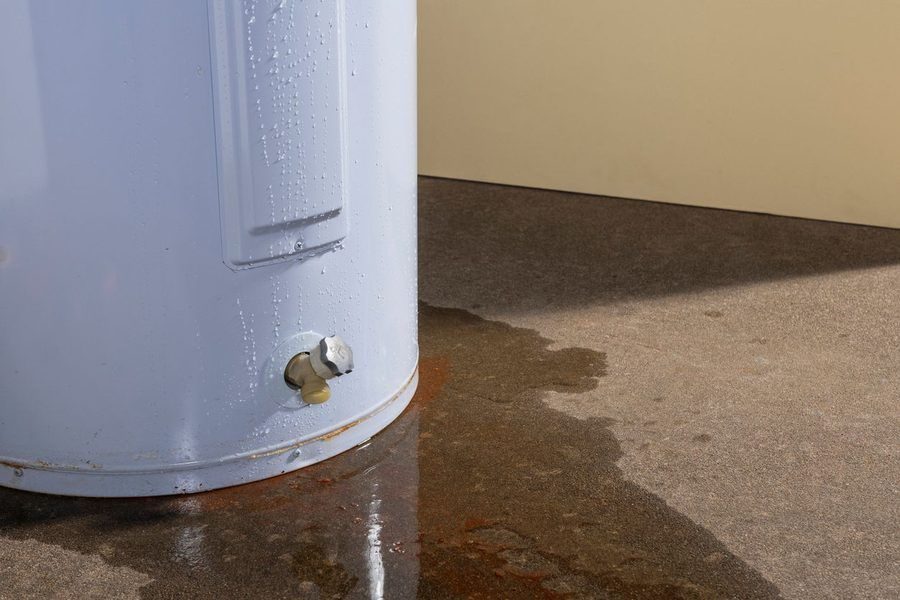
Tank Models: Mineral scale settles along the bottom of the tank , creating a dense insulating blanket over gas burners or burying lower electric heating elements. This forces the unit to run longer, spiking gas or electric bills and overheating the steel tank shell until it fractures.
-
Tankless Models: The ultra-narrow copper heat exchanger channels inside a tankless unit can become choked with limescale in just 12 to 18 months, causing severe overheating and complete system shutdown.
2. Main Supply Lines and Valves
As limescale layers thicken inside supply lines, your home experiences a gradual loss of water volume. Additionally, mineral deposits coat the internal seals of main shut-off valves, angle stops, and appliance connections, preventing them from closing completely during a plumbing emergency.
3. Kitchen and Bathroom Fixtures
Crusty white or yellowish mineral ring deposits around faucet spouts, showerheads, and toilet bowl rims are visible signs of scale. As minerals clog micro-nozzles on showerheads, water sprays erratically or drops to a weak trickle.
4. Dishwashers and Washing Machines
Limescale coats internal heating coils, water inlet valves, and pump impellers in laundry and kitchen appliances. This leads to cloudy glassware, stiff laundry, higher detergent usage, and premature motor failure.
Signs Your Birmingham Home Has a Hard Water Problem
Because limescale accumulates out of sight, recognizing everyday symptoms helps you catch mineral scale before it causes a plumbing failure:
-
Popping or Rumbling Noises from the Water Heater: As trapped water boils beneath baked-on tank floor scale, it creates steam explosions that crack through the mineral layer. Left unchecked, this thermal stress damages the inner lining and leads to a ruptured tank shell.
-
Crusty White or Yellowish Buildup on Faucets: When hard water evaporates around fixture outlets, it leaves behind rock-hard calcium deposits that corrode finishes, clog aerators, and cause valve leaks.
-
Weak Water Pressure at Multiple Taps: As limescale layers accumulate along the interior walls of your supply lines, the constricted pipe diameter restricts water flow throughout the entire home and places unnecessary strain on pipe joints.
-
Soap Scum and Film on Glassware: High concentrations of calcium and magnesium bond with soap surfactants, preventing soap from dissolving properly. This leaves behind a cloudy film on dishes, stiff laundry, and stubborn soap scum on shower doors.
Action Plan: Defending Your Plumbing Grid
Protecting your plumbing from Birmingham’s mineral-dense water requires a multi-layered approach.
-
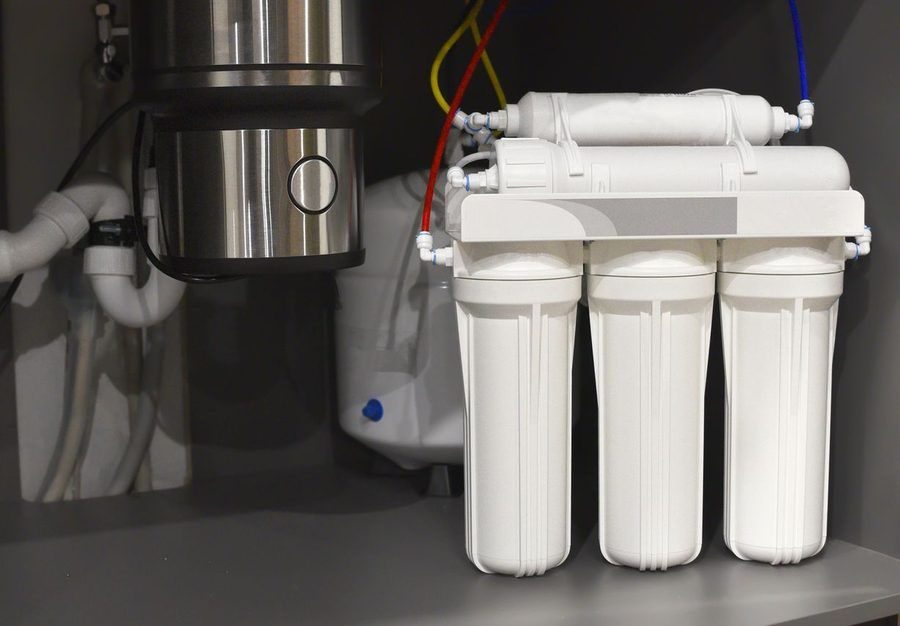
Install Whole-Home Water Softening or Conditioning: A dedicated water softener uses ion-exchange technology to replace calcium and magnesium ions with harmless sodium ions, stopping scale formation at your main water entry point. For low-maintenance options, advanced template-assisted crystallization (TAC) conditioners alter mineral structures so they cannot adhere to pipe walls.
-
Schedule Annual Water Heater Descaling: Professional system flushing clears out unbaked sediment, while targeted descaling washes extract hardened limescale from tank floors and heat exchangers, preserving system efficiency.
-
Clean Aerators and Fixture Outlets: Unscrew sink aerators and soak them in household vinegar every six months to dissolve crusty mineral deposits and restore smooth water flow.
Protect Your Property with DrainGo Alabama
Taking a proactive stance against mineral scale buildup keeps your utility bills low, extends the lifespan of your appliances, and preserves your property’s plumbing system. While minor tasks like soaking a showerhead in vinegar are easy DIY projects, installing whole-house water treatment systems, descaling tankless units, and clearing mineral-choked lines requires master-level trade expertise.
Ignoring the warning signs of hard water allows scale to shorten the life of your plumbing grid. Investing in professional water treatment and regular system maintenance keeps your home’s water running clean, clear, and efficient.
Experience the DrainGo Difference
At DrainGo Plumbing and Septic Services of Alabama, we treat your home like our own. Whether you need a comprehensive water hardness evaluation, professional water heater descaling, tankless system maintenance, or a whole-home water softening installation, our experienced, background-checked plumbers deliver fast, reliable service backed by clear communication and upfront pricing.
Protect your home’s plumbing from hard water scale. Contact us today to schedule your water treatment service!