Serving the Birmingham Area:


Seasonal Plumbing Repair in Birmingham, AL: What You Need to Know Before December Hits
Never pay a dispatch fee. Diagnostics are always free.


Locally owned and operated for 15+ years. Count on us when you need help most.

Seasonal Plumbing Repair in Birmingham, AL: What You Need to Know Before December Hits

What You Will Learn:
- How Birmingham Weather Affects Plumbing Year-Round
- Common Plumbing Problems by Season
- Winter Plumbing Problems in Birmingham: Frozen Pipes and Burst Lines
- Spring Plumbing Problems: Rain, Roots, and Flooded Drains
- Summer Plumbing Issues: High Water Use and System Overload
- Fall Plumbing: Fix Problems Before Winter Comes Back
How Seasonal Weather Affects Plumbing Repair in Birmingham, AL
Cold mornings are starting to creep in, and that’s when plumbing problems start showing up without warning. Pipes freeze overnight, water heaters work harder than they should, and drains slow to a crawl. If your plumbing isn’t ready for Birmingham’s shifting weather, winter can turn into a very expensive season.
The good news is most of these problems can be avoided with a little preparation and help from a team that understands Birmingham’s weather, clay soil, and older plumbing systems found in many homes. DrainGo has dealt with it all, and this guide breaks down what you should expect in every season and how to stay ahead of repairs.
How Birmingham Weather Affects Plumbing Year-Round
Every season comes with its own type of plumbing trouble. Winter freezes pipes, spring storms flood drains, summer overloads your water system, and fall exposes hidden damage from earlier months. Things like clay soil movement, humidity, and aging pipes make it worse.
Hiring someone who knows how Birmingham homes are built and how local weather affects water lines can save you from surprise repairs.
Common Plumbing Problems by Season
Each season puts plumbing systems under different types of stress, so it helps to know what to expect before these problems hit your home.
| Season | Main Issue | Warning Signs | Quick Fix or Prevention |
| Winter | Frozen or burst pipes | No water, bulging pipes | Pipe insulation, dripping faucets |
| Spring | Drainage and sewer backups | Slow drains, foul smells | Gutter cleaning, camera inspections |
| Summer | High water usage and leaks | Low pressure, higher water bill | Hose checks, water heater tune-up |
| Fall | Hidden leaks, weak pipe insulation | Damp spots, rusted pipes | Leak detection, pipe insulation |
Winter Plumbing Problems in Birmingham: Frozen Pipes and Burst Lines
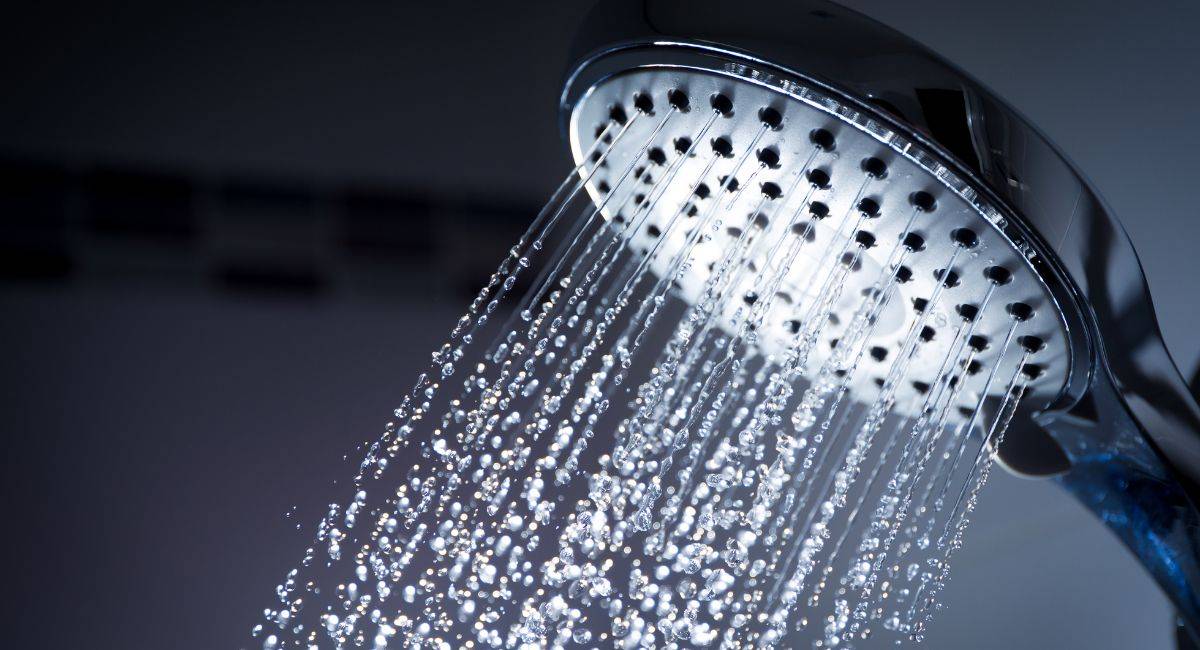
Cold nights in Birmingham, AL can cause trouble fast. When temperatures drop, pipes in crawl spaces, garages, and exterior walls can freeze. Once the water inside freezes and expands, those pipes crack or burst; and that’s when people call plumbers.
Why Pipes Freeze and Burst
Water expands when it freezes, and that pressure builds inside the pipe. Older pipes or weak joints are usually the first to fail.
What You’ll Notice
- No water coming from faucets
- Banging or knocking sounds in the walls
- Frost or moisture on pipes in unheated areas
How We Suggest Preventing It
- Wrap exposed pipes with insulation or heat tape
- Let a faucet drip during freezing nights to keep water moving
- Keep indoor heat on, even if you’re not home
- Disconnect outdoor hoses before the first frost
When cold weather hits hard, our team of Birmingham, AL plumbers is ready. We handle emergency pipe repairs, water line repairs, water heater problems and more through our expert plumbing services.
Spring Plumbing Problems: Rain, Roots, and Flooded Drains
Winter ends, the rain starts, and plumbing problems shift. Heavy spring storms fill drains, trees wake up and send roots searching for water, and sewer lines take the hit.
How Rain Affects Your Plumbing
Backed-up tubs and flooded yards often start outside. Too much stormwater overwhelms sewer systems and pushes water back into your drains.
Tree Roots Don’t Wait
Once roots find a small crack in a pipe, they move in and make it worse. That’s when clogs, slow drains, or sewage backups happen.
Smart Spring Maintenance We Recommend
- Clean gutters and outdoor drains
- Schedule a sewer camera inspection
- Use hydro-jetting to clear roots and debris
Summer Plumbing Issues: High Water Use and System Overload
Summer means more showers, sprinklers, guests, and cookouts. All that extra water use puts pressure on your plumbing system.
Common Summer Problems We See
- Outdoor leaks from hoses or sprinkler systems
- Clogged kitchen drains from cooking and grease buildup
- Older water heaters struggling to keep up
We offer water-line repairs, water heater tune-ups, and drain cleaning to help you stay ahead of summer plumbing problems before they get messy.
Fall Plumbing: Fix Problems Before Winter Comes Back
Fall is the last chance to catch small problems before the cold returns. Once temperatures drop again, small leaks or weak insulation can turn into expensive repairs.
Why Fall Maintenance Matters
Leaves clog outdoor drains, pipes cool down and contract, and water heaters start working harder.
Simple Fall Checks We Recommend
- Look for damp spots near walls or pipes
- Test your main shut-off valve so you know it works in an emergency
- Add insulation to pipes in crawl spaces, basements, or garages
- Book a pre-winter plumbing inspection with us
Conclusion
Cold weather doesn’t wait for anyone. If your plumbing isn’t ready before December, you’ll likely spend more fixing damage later. This guide gives you a clear idea of what each season can do to your pipes and what steps can help prevent it.
Want to get ahead of winter? Call DrainGo at (205) 250-9939 or schedule an inspection online. Better to fix small issues now than deal with a flooded home later.
Other Services
Frequently Asked Questions
How do I know if my pipes are about to freeze?
If water pressure drops or you notice frost on exposed pipes, that’s a warning sign. Keep water dripping and heat on.
Is it expensive to repair a burst pipe?
It depends on where it bursts. A visible pipe in the basement costs less than a pipe inside a wall or under a slab.
Can I use a space heater to warm frozen pipes?
Yes, but be careful. Keep the heater at a safe distance and never leave it unattended. A plumber’s heat gun is much safer.
How often should I get a plumbing inspection?
Once a year is usually enough, but older homes or homes with tree-heavy yards might need two inspections.