Serving the Birmingham Area:


Tankless Water vs Traditional Water Heater: Which Is Better for Alabama Homes?
Never pay a dispatch fee. Diagnostics are always free.

Locally owned and operated for 15+ years. Count on us when you need help most.

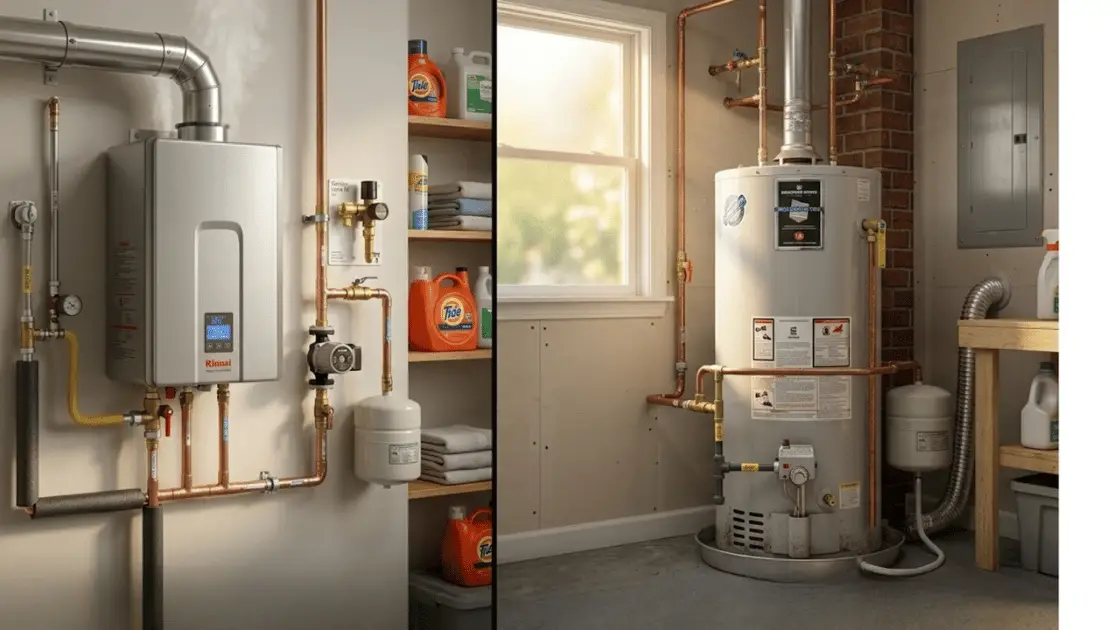
Tankless Water vs Traditional Water Heater: Which Is Better for Alabama Homes?

What You Will Learn:
A blast of heat from the shower cuts out fast, replaced by a shock of chill. This snag hits nearly every household across Alabama at some point. Right in the middle of washing out soap, the warmth vanishes. Only once things go wrong does anyone pay attention to the water heater.
Morning showers feel better when the water stays warm. Your wallet feels it too, each time the heater kicks on. Most people ignore this until the machine stops working one day. Then suddenly they are comparing models online at midnight. Choices get harder when stress takes the wheel.
A choice comes down to two types. While one kind holds heated water inside a bulky container, running energy all day to maintain temperature, the other waits until flow begins – only then kicking into action. When taps open, instant warmth follows under the second model. Though results may feel similar at the sink, their inner behavior splits sharply apart.
Home size matters when picking a plumbing setup, plus how much water flows through it daily. Some folks watch their spending closely, so prices play a big role too. Each method runs differently, making some better for larger families. Costs shift based on features that might matter more than expected. Matching these details helps find the right fit without guessing.
Understanding the Two Types of Water Heaters
Before choosing a system, it helps to understand how each type actually works inside your home.
How Traditional Tank Water Heaters Work
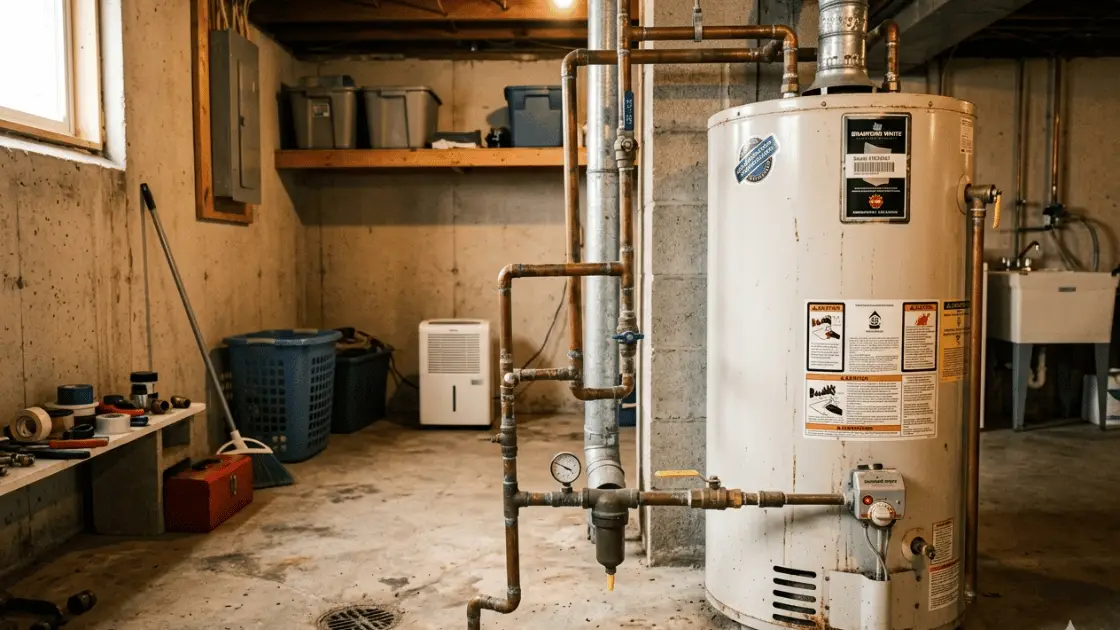
Traditional tank water heaters remain the most common type installed in U.S. homes. These systems store heated water inside an insulated tank that usually holds 30 to 80 gallons.
Inside the tank, a heating element or gas burner warms the water and keeps it at a set temperature. When you turn on a hot water tap, water flows from the top of the tank into your plumbing system.
Cold water then enters the tank through a dip tube at the bottom. The heater warms that incoming water so the tank stays full of hot water.
This process runs throughout the day. The heater periodically reheats water to maintain temperature. This constant reheating is called standby heating.
Why Many Homes Still Use Tank Heaters
Traditional water heaters remain popular because they are simple and affordable.
Common advantages include:
- Lower upfront installation cost
- Simple replacement when the old unit fails
- Familiar technology for most plumbers
- Compatibility with existing plumbing systems
Most tank heaters last 8 to 12 years with proper maintenance. Sediment buildup inside the tank eventually reduces performance and may lead to leaks.
For many households, the lower purchase cost makes tank heaters the easiest solution.
How Tankless Water Heaters Work
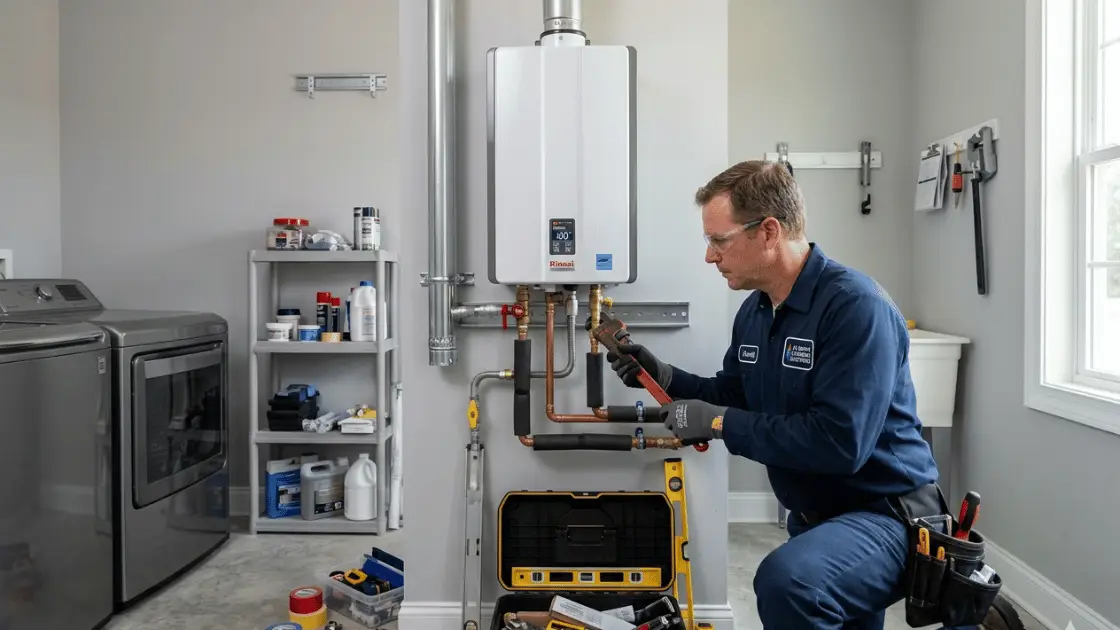
Tankless water heaters use a completely different approach. Instead of storing water, the system heats it instantly when you need it.
Cold water flows through the unit and passes a powerful heating element or gas burner. Within seconds, the water heats up and moves through your plumbing system.
Because the system only heats water when you turn on a faucet, it avoids storing hot water in a tank.
Why Many Homeowners Choose Tankless
Tankless units offer several benefits that make them attractive to homeowners.
Key advantages include:
- Continuous hot water supply
- Lower energy waste compared to storage tanks
- Compact wall-mounted design
- Longer system lifespan
Tankless heaters also take up very little space. Most models mount directly on the wall and fit inside small utility areas.
With proper maintenance, tankless units can last 20 years or longer, which is almost double the lifespan of most tank heaters.
The main drawback is the higher installation cost. Some homes require electrical upgrades or gas line adjustments before installation.
Performance Comparison for Daily Household Use
Water heaters work differently when real household demand enters the picture. Daily routines like showers, laundry, and dishwashing place different demands on each system.
Hot Water Availability: Which System Keeps Up With Your Household?
Hot water demand varies widely depending on household size. A single person might run one shower per day. A family of five might run multiple showers, laundry loads, and a dishwasher at the same time.
Traditional tank heaters provide a fixed amount of hot water. Once the tank empties, the heater must refill and reheat the water. That delay often leads to the classic cold shower problem.
Tankless heaters avoid that issue because they heat water as it flows through the unit.
Typical Hot Water Usage in Homes
Every appliance uses a certain amount of hot water per minute. Knowing this helps determine what size system you need.
| Appliance | Average Hot Water Use |
|---|---|
| Shower | 2–2.5 gallons per minute |
| Dishwasher | 1–2 gallons per minute |
| Washing machine | 1–1.5 gallons per minute |
If multiple appliances run at the same time, tankless systems must handle the combined demand. Each unit has a maximum flow rate measured in gallons per minute.
Homes with several bathrooms sometimes require a larger tankless unit or even two systems to maintain steady hot water.
Energy Costs and Operating Expenses
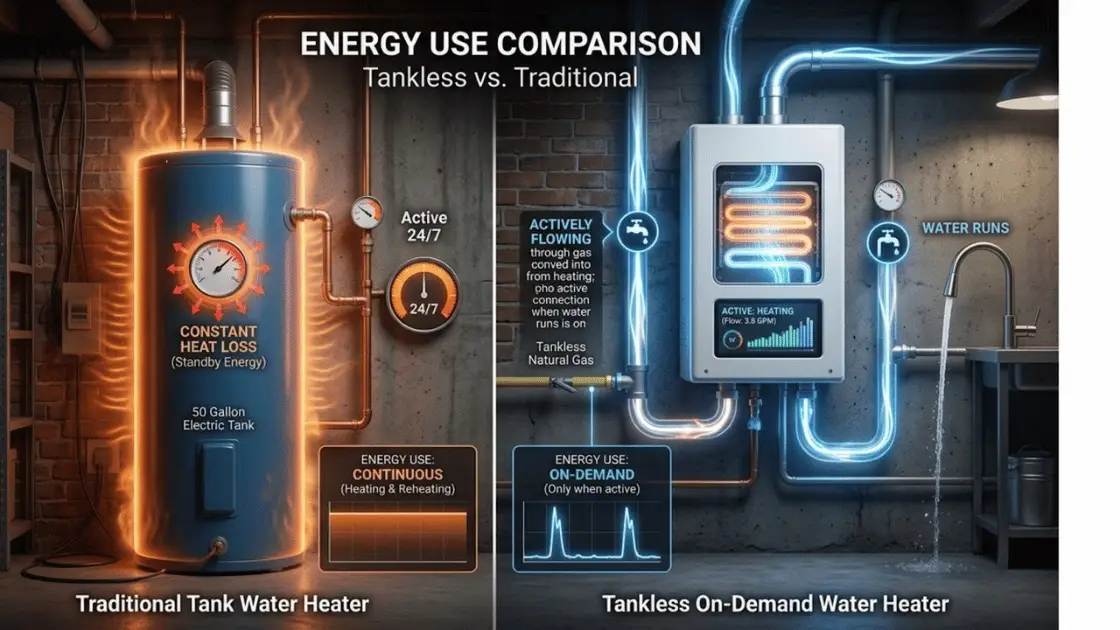
Many homeowners begin comparing systems because of monthly energy costs. Water heating can account for a significant portion of household energy use.
Energy Differences Between Tank and Tankless Systems
Traditional tank heaters constantly maintain water temperature. Even when nobody uses hot water, the heater reheats water to keep it warm.
This process wastes energy through what experts call standby heat loss.
Tankless heaters avoid that problem because they heat water only when you turn on a faucet.
The U.S. Department of Energy reports that tankless systems can reduce energy use by 8 to 34 percent depending on household usage.
Energy Ratings Explained
Manufacturers use a few ratings to measure performance.
Two common measurements include:
- Energy Factor (EF)
- Uniform Energy Factor (UEF)
Higher ratings generally indicate better performance and lower energy waste.
Utility Costs in Alabama
Energy prices vary across Alabama, but homeowners usually want to know one thing. How much will the water heater cost each year?
Tank heaters often cost more to operate because they heat water all day.
Tankless systems typically use less energy overall.
Estimated annual operating costs:
| Water Heater Type | Average Annual Cost |
|---|---|
| Traditional Tank | $400 – $600 |
| Tankless | $200 – $450 |
Actual costs depend on your household water use and energy source.
Homeowners researching cost for plumbing in Alabama should remember that operating costs add up over time. A system that costs more upfront may save money after several years of use.
Installation and Upfront Costs
Installation cost often becomes the deciding factor for many homeowners. The two systems require very different installation setups.
Installation Requirements for Each System
Traditional tank heaters are easier to install in most homes. If you replace an existing tank heater, the plumber usually connects the new unit to the same plumbing and electrical lines.
Tankless systems sometimes require upgrades before installation.
Common Tankless Installation Upgrades
Plumbers may need to make adjustments such as:
- Gas line expansion
- Electrical panel upgrades
- New venting systems
- Wall mounting brackets
These upgrades increase installation time and cost.
Average installation price ranges:
| System | Installed Cost |
|---|---|
| Traditional Tank | $1,000 – $2,500 |
| Tankless | $3,000 – $5,500 |
Actual plumbing prices depend on the layout of your home and the system size required.
Many homeowners consult plumbers in Birmingham Alabama before deciding. A professional inspection helps identify any upgrades needed for installation.
Lifespan and Maintenance
Every water heater needs regular care. Maintenance plays a big role in how long the system lasts.
Long-Term Durability of Each System
Traditional tank heaters require annual sediment flushing. Minerals in the water settle at the bottom of the tank and gradually reduce heating performance.
If sediment builds up too much, it can damage the tank or cause overheating.
Tank heaters also face corrosion risks because water constantly sits inside the tank.
Tankless systems require descaling maintenance to remove mineral buildup inside the heat exchanger. Homes with harder water may need this service more often.
Lifespan Comparison
| System | Average Lifespan |
|---|---|
| Tank Heater | 8–12 years |
| Tankless | 15+ years |
When homeowners compare long-term plumbing services cost, the longer lifespan of tankless systems sometimes balances the higher purchase price.
Space Requirements in Your Home
Water heater placement can affect how much space you have in storage areas or utility rooms.
Water Heater Size and Placement
Traditional tanks require floor space because of their large storage design. These units commonly sit in garages, basements, or utility closets.
They also need enough room around them for maintenance access.
Tankless heaters mount directly on the wall. They take up far less space and can fit in smaller areas.
Where Tankless Units Work Best
Tankless systems work well in homes that need extra storage or have limited mechanical space.
Examples include:
- Smaller homes
- Renovations
- Houses with tight utility rooms
Some homeowners simply prefer tankless units because they free up floor space.
Choosing the Right System for Alabama Homes
Each system works best under certain conditions. Your household size and daily water usage will help determine the right option.
When Tankless Makes Sense
Tankless systems perform well in homes with heavy hot water demand.
Homes that benefit most often include:
- Large families
- Homes with several bathrooms
- Houses with frequent laundry and dishwasher use
- Long-term homeowners planning to stay for many years
Alabama’s mild winters also help tankless systems perform well because incoming water temperatures remain moderate.
When a Traditional Tank Heater Makes More Sense
Tank heaters remain a practical option for many households.
They often work best for:
- Smaller families
- Homes with tight installation budgets
- Quick replacement situations
- Houses already designed for tank systems
A local plumber Alabama professional can inspect your plumbing system and recommend the best option.
Conclusion
Both systems provide reliable hot water when installed correctly.
Tankless water heaters offer longer lifespan, compact size, and continuous hot water. Traditional tank heaters cost less to install and remain a dependable option for many homes.
The right choice depends on your home size, daily water usage, and installation budget.
Many homeowners speak with experienced plumbers in Alabama before replacing a water heater. A professional inspection helps you choose the right system and avoid costly installation problems.
Frequently Asked Questions
1. Are tankless water heaters worth the higher upfront cost?
Tankless heaters cost more at the beginning, but they often last longer and use less energy. Many homeowners recover the additional cost through lower operating expenses over time.
2. How long does a tankless water heater last?
Most tankless systems last 20 years or longer when homeowners schedule regular maintenance and descaling.
3. Can a tankless heater supply hot water for the entire house?
Yes. The unit must be sized properly based on household water demand and the number of fixtures in use.
4. Do tankless water heaters work well in Alabama?
Yes. Alabama’s moderate climate allows tankless systems to heat water effectively without extreme temperature demands.
5. What maintenance do water heaters require?
Tank heaters need yearly flushing to remove sediment buildup. Tankless units require descaling to prevent mineral deposits from affecting performance.
Additional Resources
Other Services
Frequently Asked Questions
How often should I get my plumbing inspected?
Once a year is ideal. It helps catch small problems before they become expensive repairs.
Can a small leak really affect my bill that much?
Yes. Even a slow drip can waste gallons every day, adding up fast on your water bill.
Are professional plumbers worth it for small jobs?
Definitely. Minor leaks often point to bigger problems that only a trained eye can find.
What should I do during a plumbing emergency?
Shut off your main water valve, then call a licensed plumber. DrainGo offers 24/7 emergency services across Birmingham.